
The 12-Item Urban Sketching Kit Checklist for Alley Scenes
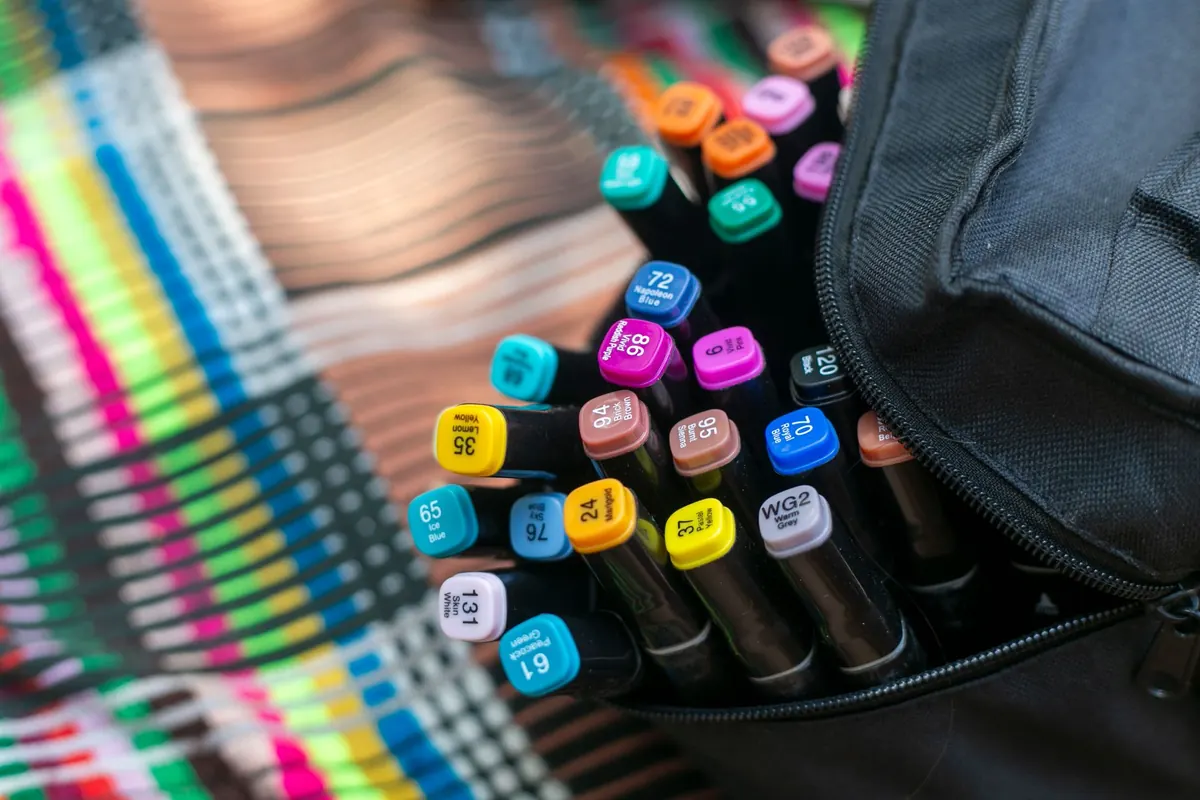
An alley asks for a different kit than a plaza. The view is narrow, the light changes fast, and you may be standing near a delivery crate or a wet gutter. A good bag for this work is small enough to open on one shoulder and complete enough that you don’t improvise with a leaking pen or a soggy sheet of paper. The checklist below is the one I would carry for a morning of sketching side streets, courtyards, and the odd shaded passage. It is a working kit: twelve items that cover line, tone, color, and a little protection from the weather.
The 12-Item Alley Kit
Keep the list literal. If an item has no job in an alley scene, leave it at home. The notes explain the job, not the brand.
- A5 hardcover sketchbook with 140–200 gsm paper. Smooth paper suits pen and wash; cold press gives texture. A5 fits in a jacket pocket and opens flat enough for quick studies.
- 2B pencil and a small sharpener. For blocking perspective before ink. Keep the sharpener in a tiny tin with the pencil so shavings don’t escape.
- Kneaded eraser. Lifts graphite without tearing paper and lightens guide lines when the ink is already down.
- Waterproof fineliner, 0.3 or 0.5. The main line tool for doorframes, railings, wires, and the edges of shutters. Waterproof matters when color goes on top.
- Fountain pen or brush pen with waterproof ink. For variation and quick shadows. Test any new ink on scrap paper before trusting it in the book.
- Small watercolor palette, six to eight pans. A warm and cool version of each primary plus a neutral will mix most alley colors without decision fatigue.
- Waterbrush or collapsible brush with a small water bottle. A waterbrush is convenient on a narrow pavement; a bottle gives more control over flow.
- Cotton rag or half sheet of paper towel. Dry the brush, lift mistakes, and blot edges before they bleed into the next window frame.
- White gel pen or opaque white marker. For highlights, cable lines, and the glint on a window. Use it at the end, sparingly.
- Two binder clips. Hold pages open in wind and clip the palette to the book when you set it down on a step.
- Lightweight rain cover or large ziplock bag. Protects the sketchbook in a shower and can cover the page if drizzle starts while you work.
- Small sit pad or folded foam mat. Alleys rarely offer a bench. A pad lets you use a doorstep or low wall without getting cold and wet.
Paper and Pens: Choose for Speed and Contrast
Alley scenes are dense. You are drawing several planes of wall, a strip of sky, and a heap of small objects at ground level. Paper choice controls how fast you can work. A 140 gsm sketchbook will take light washes, but it may buckle if you flood it. A 200 gsm book feels heavier in the bag and stays flatter. For pen-first sketching, smooth paper lets a nib glide and keeps fine hatching readable. For pencil and wash, a little tooth helps.
Work with two line tools rather than five. A fineliner gives an even, architectural line. A fountain pen or brush pen adds weight where shadow collects under a balcony or behind a drainpipe. Start with pencil only to place verticals and the main vanishing point. Then ink the elements that define the space: the edge of the building, the line of the pavement, the frames around doors and windows. Leave the moped, the crates, and the laundry until later.
Color That Travels Well
A small palette is not a limitation; it is a speed aid. Six pans force you to mix, and mixing is faster than hunting for a perfect pre-made green. For alley work, start with a warm yellow, a cool yellow, a warm red, a cool red, a blue, and a neutral. Brick, plaster, wet stone, and deep shadow can all come from those.
Use color as an accent, not as a fill. A wash on the shaded side of a wall, a warm touch on a stone step, a cool gray under an arch: that is usually enough. If you paint every surface, the drawing loses the contrast that made you stop. Keep the rag handy. A dry brush edge looks more like plaster than a smooth flooded rectangle. Test each new color on a scrap page before it goes near the final sketch.
Weather Protection and the Small Stuff
Weather changes an alley more than an open square. Wind funnels between buildings, rain drips from gutters long after it stops, and the sun can disappear behind a roof. A large ziplock bag weighs almost nothing and has saved more than one sketchbook. Put the book inside if rain starts, or draw through the plastic. Binder clips keep the book from closing in wind and hold a palette steady on a low wall.
Cold stone pulls heat out of you quickly. The sit pad is not a luxury; it is what lets you stay long enough to finish the perspective. Carry water separately from your painting water. Keep the rag in a small bag so wet paper doesn’t touch dry pages. If you use a waterbrush, empty it before the trip and fill it at the site; a half-full brush in a warm bag can leak.
Pack It So You Actually Use It
Lay the kit out at home and pack it in the order you use it. Pencil and fineliner in an outside pocket. Palette and waterbrush in a small pouch. Rag and ziplock in the main compartment, not at the bottom. You should be able to open the bag on one shoulder and reach the pen without taking the bag off. If an item needs two hands and a flat surface to unpack, it will stay unused.
Do a five-minute test sketch before a longer trip. Draw a doorway, a drainpipe, and a patch of pavement. You will learn whether the paper takes ink without feathering, whether the waterbrush leaks, and whether the palette has enough mixing space. Refill, replace, and remove. A kit that is too complete is heavier than one you can carry for an hour. The goal is not to own the perfect set; it is to know exactly what is in the bag and trust it.
A Practical Closing Check
Before you leave, run a hand through the twelve items. Paper, pencil, eraser, fineliner, fountain or brush pen, palette, waterbrush, rag, white pen, clips, rain cover, sit pad. Check the pen has ink, the waterbrush is empty or sealed, and the sketchbook has enough pages. An alley will not wait for a perfect kit. The compact bag, the limited palette, and the clip that keeps the page open are enough to let you draw what is in front of you.
Photo: Anna Krupa / Pexels